
The Mass Air Flow Sensor: What It Is and Why It Matters in Portland, ME
When you drive along Commercial Street, head toward I-295, or travel near the Old Port and Back Cove, your engine depends on the right mix of air and fuel. Because Portland drivers deal with cold winters, coastal moisture, and stop-and-go traffic, engine sensors work hard every day. So, the mass air flow sensor plays a major role in helping your vehicle run smoothly and efficiently.
Additionally, at Meineke in Portland, our ASE-certified technicians help local drivers keep their engines running properly with professional diagnostics and preventative maintenance. Because a faulty mass air flow sensor can hurt fuel economy, reduce performance, and cause engine problems, early service helps prevent expensive repairs. So, in this post, you’ll learn what the mass air flow sensor is, how it works, why it is important, how to maintain it, and when to visit Meineke in Portland.
What the Mass Air Flow Sensor Is and How It Works
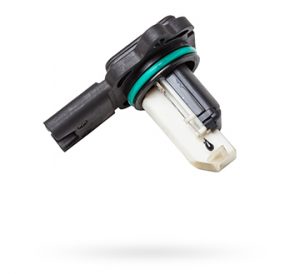
The mass air flow sensor, often called the MAF sensor, measures how much air enters the engine. Because the engine needs the right balance of air and fuel, the sensor sends information to the engine control module. So, the vehicle can adjust the fuel mixture for better performance.
Then, the sensor sits between the air filter and the engine intake. Also, it tracks the amount of air moving through the system while you drive. Because accurate airflow information matters, the mass air flow sensor helps the engine run efficiently in many different driving conditions.
Why the Mass Air Flow Sensor Is Important
The mass air flow sensor protects your vehicle in several important ways:
- Because it helps control the air and fuel mixture, it supports smooth engine performance.
- So, it can improve fuel efficiency.
- Also, it helps reduce emissions.
- Then, it supports better acceleration.
- Because engine performance matters, a working sensor helps prevent rough idling and stalling.
- So, strong mass air flow sensor performance helps Portland drivers stay safer on the road.
How to Maintain Your Mass Air Flow Sensor
Simple habits help keep your mass air flow sensor in good condition:
- Because dirt can affect the sensor, replace the air filter at recommended intervals.
- So, inspect the intake system for leaks.
- Also, avoid driving with a dirty or clogged air filter.
- Then, keep up with regular engine maintenance.
- Because debris can damage the sensor, use high-quality replacement parts when needed.
- So, trust Meineke in Portland for engine inspections and preventative maintenance.
When to See a Mechanic in Portland
So, visit Meineke in Portland if you notice these warning signs:
- Because the check engine light comes on.
- So, fuel economy suddenly drops.
- Also, the engine hesitates during acceleration.
- Then, rough idling develops.
- Because the vehicle stalls unexpectedly.
- So, the engine feels sluggish or weak.
- Additionally, performance feels unreliable while driving near roads like Forest Avenue or near the Casco Bay Bridge.
So, Call Meineke in Portland Today for a Quick Check-Up
So, the mass air flow sensor plays a major role in helping your engine receive the right mix of air and fuel. Because Portland drivers deal with changing weather, coastal air, and busy roads, maintaining this sensor helps improve fuel efficiency and prevent larger repairs. Then, the ASE-certified team at Meineke in Portland can inspect your mass air flow sensor, diagnose performance issues, and keep your vehicle running strong.
Trust Meineke in Portland as your ASE certified auto service center. Because it’s a smart choice for anyone who values expertise, quality, and reliability in car repairs.
Meineke Car Care Center # 243
1155 Forest Avenue
Portland, ME 04103-3325
Call: (207) 370-6149
Meineke Car Care in Portland, ME